How to Sell on Vinted: The Complete Guide to Listing, Pricing & Selling Faster (UK)
Selling on Vinted is completely free — there are no seller fees, no listing fees and no commission, so the price you set is the price you keep. This guide covers the whole process end to end: setting up your account, taking photos that sell, writing titles and descriptions that get found in search, pricing to actually sell, using bundles and offers, and shipping safely.
The short answer: Vinted is free to sell on
Vinted charges UK sellers nothing. There is no listing fee, no final value fee, and no commission — when an item sells for £20, you receive £20 (minus shipping if you choose to cover it). The buyer pays a Buyer Protection fee of roughly 5% + £0.70 at checkout, but that's added to their total, not deducted from yours.
Compare that to eBay's 12–15% final value fees or Depop's payment processing, and Vinted is the cheapest mainstream place to sell second-hand clothes in the UK. That's why it's become the default for clearing out a wardrobe — and why so many people now resell on it seriously.
The catch is that zero fees means lots of sellers, so the competition is real. The sellers who do well aren't lucky — they take better photos, write more specific listings, and price to the market rather than to sentiment. This guide walks through every one of those levers in order.
Step 1: Set up your account and profile
Create your account with an email you actually check — Vinted sends sale notifications, messages and shipping labels to it. You can sign up with Google, Facebook or Apple, but an email you control is the most reliable.
Complete your profile before you list anything. Buyers check profiles before buying, and a complete profile is also a trust signal that affects how Vinted ranks your listings. Add a clear profile photo, a short bio that says what you sell and how fast you ship, and your location.
Connect your payout method (bank transfer or Vinted Balance) so you can actually receive money when something sells. Vinted holds the buyer's payment and releases it to you after the item arrives and the buyer confirms — or after a short window passes with no dispute raised.
One thing to do early: read up on Vinted's automated moderation. It bans accounts for "inauthentic items" with no human review, and new sellers listing their first items are caught by false positives more than anyone. Knowing the appeal routes before you need them saves a lot of stress.
Step 2: Take photos that actually sell
Photos are the single biggest lever on Vinted. Buyers can't touch the item, so the photos are the entire product page — and they decide in seconds whether to click. Natural light is non-negotiable: shoot near a window in daylight, not under an overhead bulb, so colours come out accurate.
Take a full set, not one flat lay. A five-to-eight photo set that covers the front, back, the label, any flaws or wear, the fabric texture, and the size tag will outperform a single photo every time. If you can, add a photo of the item being worn or on a hanger so the buyer can visualise it.
Photograph flaws prominently and describe them in the listing. A buyer who knows about a flaw before they buy leaves a good review; a buyer who discovers it after leaves a bad one — and your review score feeds directly into Vinted's ranking. Honesty is the cheapest way to protect your rating.
If you wouldn't click your own thumbnail, reshoot it. This is the highest-leverage fix for listings that get views but no favourites.
Step 3: Write titles and descriptions that get found
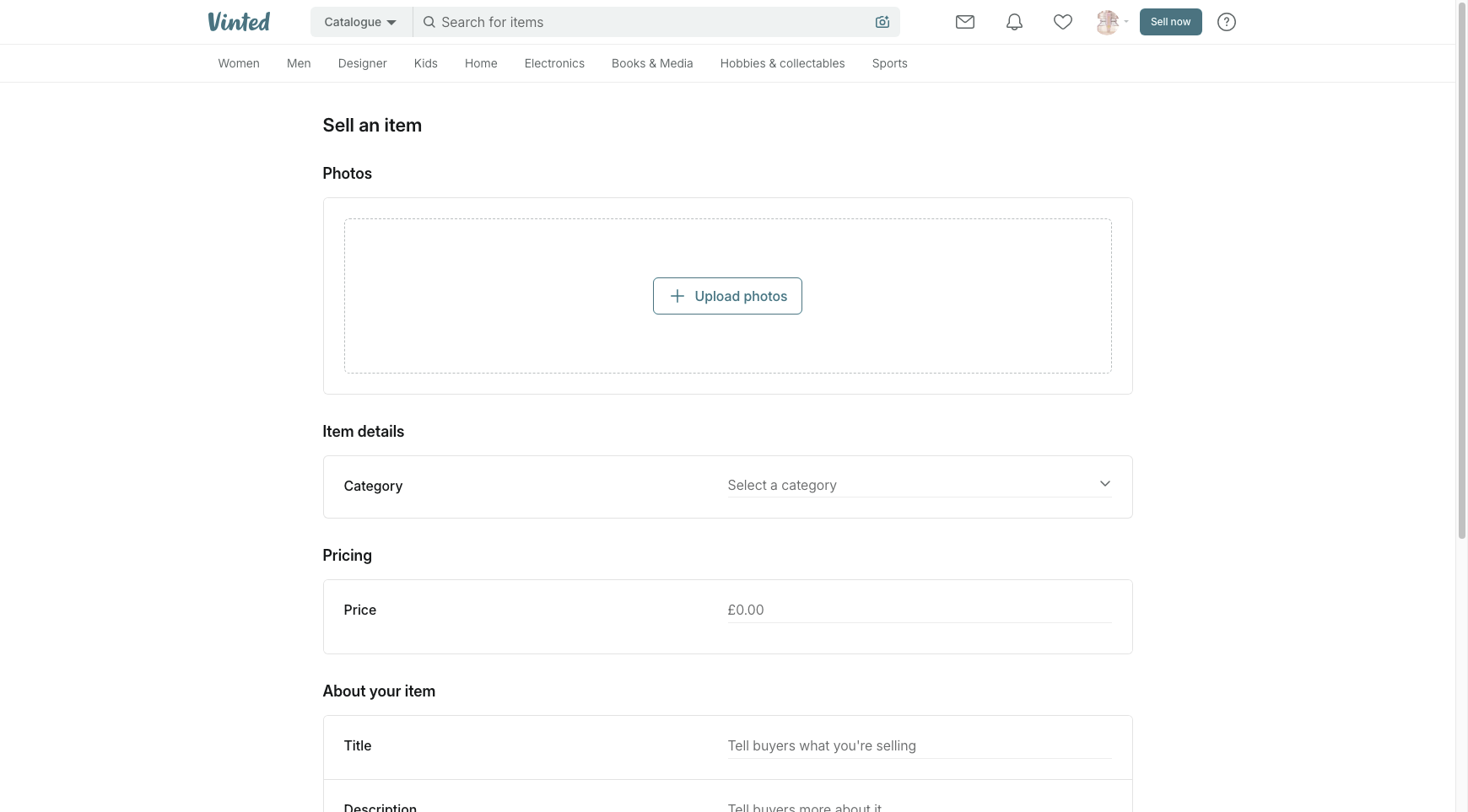
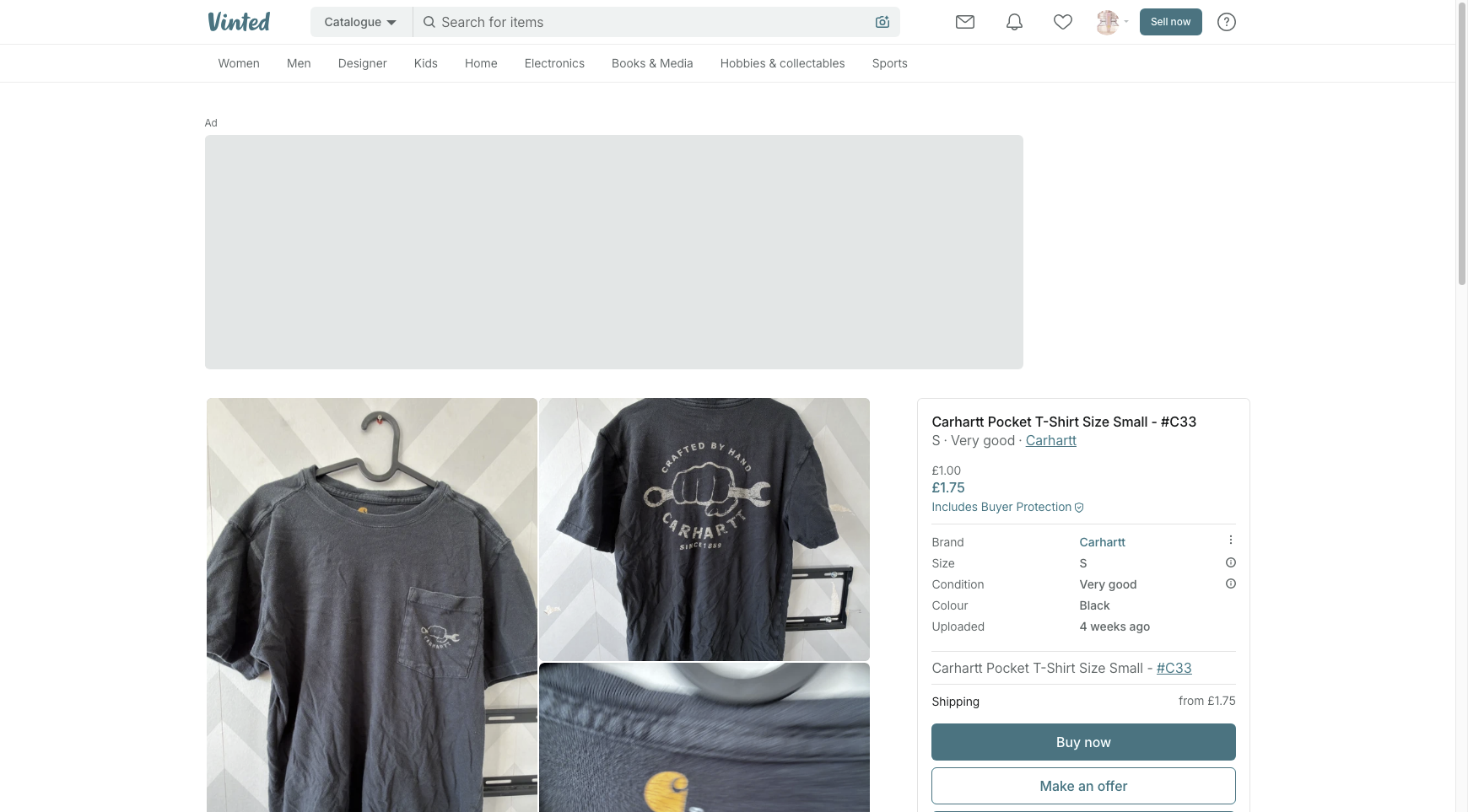
Vinted search works on keywords, so your title needs the specifics buyers actually type: brand, item type, colour and size. "Levi's 501 straight-leg jeans, dark wash, W30 L32" beats "Levi's jeans" because it matches more specific searches. Skip filler like "great condition" or "must see" — that's wasted space.
Category and brand are not optional. A miscategorised listing gets pushed down in search, and an item with no brand tag can't be found by the buyers filtering by brand. Take the two minutes to pick the right sub-category and the right brand from the picker.
Descriptions should answer four questions: what is it exactly, what condition is it in, how does it fit, and are there any flaws. Add fabric composition and care details — buyers searching "100% wool" or "cotton" find you only if you wrote it. Write factually, not like marketing copy: "Zara knit, 2022, 100% cotton, worn twice, small pull on inside left hem shown in photo 4" tells the buyer everything and reduces pre-sale questions.
For more detail on getting your listings found and the fastest-moving categories, see our guides on reselling on Vinted and what sells best.
Step 4: Price to the market, not to what you paid
Price is the first filter most buyers apply. Too high and you're invisible; too low and you leave money on the table while also looking suspicious. The fix is to price within about 10–15% of what comparable items actually sell for — not what you paid for it, and not what other sellers are *asking*.
The best way to find the real market price is to look at what similar items have actually sold for. Vinted doesn't show sold prices directly, which is exactly why a sold-price tool exists — it lets you check real completed sale prices instead of guessing from live asking prices.
Price above the mid-range for: new-with-tags items, authenticated or high-end brands, hard-to-find pieces, and listings with genuinely good photos. Price below the mid-range for: visible wear, missing components, unpopular colourways, and items in flooded categories.
Leave room to negotiate. Vinted buyers expect to send offers, so most experienced sellers price about 15–20% above their minimum acceptable price. That way an offer comes in, you accept, and both sides feel good.
Step 5: Use bundles, offers and discounts
Bundles are the most underused lever on Vinted. A buyer already looking at one of your items is one small nudge away from adding a second — and bundling raises your average order value without you having to find new buyers. Turn on bundle discounts in your settings (even 10% is often enough) and mention in your bio that you do bundles.
Send offers to people who favourite your items. This is the proactive version of negotiation — Vinted lets you send a private offer to buyers who've shown interest, and it converts window-shoppers who were never going to buy at full price.
Keep your wardrobe varied. If your whole shop is one category, bundles are less attractive and you're competing with yourself. A mix of sizes and categories gives buyers a reason to add more to their basket.
Step 6: Understand the algorithm (freshness, trust, engagement)
Vinted's search ranks listings on three main signals: relevance, freshness and seller trustworthiness. Relevance is your title, category and brand being specific and accurate. Freshness is how recently the listing was posted or updated — new listings get a temporary visibility boost that fades over a couple of days.
Trustworthiness is the one people forget: your review score, your response speed to messages, and how complete your profile is. A seller with 50 good reviews ranks above an identical listing from a new seller. Build reviews early by shipping fast and describing items honestly.
Engagement feeds the loop: likes, saves and click-throughs tell Vinted your listing is interesting, and listings with strong early engagement get more exposure. That's why the first 24 hours matter — a strong photo and accurate title from the moment you post set the trajectory.
If a listing stalls, improve it first, then relist. Deleting and reposting resets the freshness boost, but reposting an unchanged listing just re-registers the same low engagement. Better photo, better title, better price — then relist.
Step 7: Shipping, payment and staying safe
Always use Vinted's integrated shipping labels rather than arranging your own. With integrated shipping, lost or delayed parcels are handled through the courier and Vinted supports the claim; if you arrange shipping yourself you lose that protection. Choose the package size accurately when you list.
Payment is held by Vinted until the buyer confirms receipt, so you're never chasing payment after posting. Ship promptly after a sale — fast dispatch is both a review magnet and a trust signal — and pack items cleanly and protectively.
Never complete a sale outside Vinted. Any buyer who asks to pay by bank transfer or move to WhatsApp is running a scam, and off-platform payments have zero protection. If you're unsure whether something is legitimate, read our guide to Vinted scams and what to do about delivery problems.
The one habit that separates casual sellers from serious ones
Casual sellers list and wait. Serious sellers watch the data — what sells fast, what sits, and what actually returns a margin. The highest-volume sellers aren't guessing; they're tracking what moves and sourcing more of it.
You don't need a spreadsheet. Tools built for Vinted sellers give you the same picture automatically: which of your listings get views, what items actually sold for, and when new stock matching your niche appears. The sellers who grow on Vinted treat it as a system, not a hobby.
Start with the single highest-leverage change you haven't made yet. Weak photos? Fix those first. Pricing on gut feel? Spend twenty minutes checking sold prices. No idea what's profitable? Start tracking. One change, done properly, beats five half-attempts.
Frequently asked questions
Does Vinted charge a fee to sell?
No. Vinted charges UK sellers zero fees — no listing fee, no commission, no final value fee. You keep the full price you set. The buyer pays a Buyer Protection fee of about 5% + £0.70 on top of their total, but nothing is deducted from your payout.
How long does it take to get paid on Vinted?
Payment is held by Vinted and released after the buyer confirms the item arrived and raises no issue, or after a short window passes with no dispute. Once released it lands in your Vinted Balance, which you can transfer to your bank.
How do I make my Vinted listings sell faster?
Fix the three ranking levers: take clear, well-lit photos covering the front, back, label and any flaws; write specific titles with brand, item type, colour and size; and price within 10–15% of what comparable items actually sell for. Then turn on bundle discounts and send offers to favouriters.
What sells best on Vinted in the UK?
Branded clothing and footwear, premium denim, seasonal outerwear, and quality basics in popular sizes sell fastest. Brand recognition is a multiplier — a well-photographed Levi's or Zara piece outperforms an unbranded equivalent. New-with-tags and 'like new' condition command the highest prices.
How many photos should a Vinted listing have?
Aim for five to eight. Cover the front, back, label, size tag, fabric texture and any flaws. More complete photo sets mean fewer buyer questions, faster sales and better reviews.
Is it worth using tools to help sell on Vinted?
For casual sellers, no. For sellers listing lots of items or reselling seriously, yes — tools that show real sold prices, alert you to new stock, and help search your own listings save hours and turn guesswork into data. Supervint is one such tool, and it's alert-only: it never logs into your account or acts on your behalf.