Lululemon on Vinted: How to Find Real Deals, Spot Fakes & What Sells (2026)
Lululemon is one of the most counterfeited activewear brands on Vinted, but it's also one of the best places to find genuine pieces at a fraction of retail — if you know what to check. This guide covers what actually sells, how to spot a fake from the size dot and logo, and how to get notified the moment a real deal is listed.
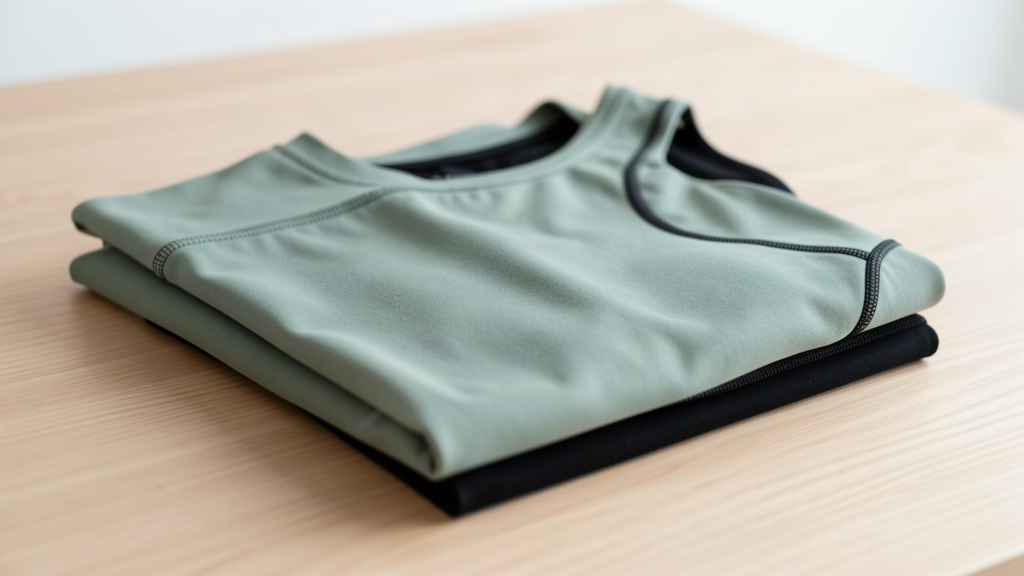
Lululemon on Vinted: worth it, but check first
Lululemon is one of those brands people search for by name on Vinted — and it holds its value better than most activewear, because the fabric (Luon, Nulu and the other proprietary blends) genuinely lasts. That means real pieces in good condition sell fast, at prices well below retail.
The catch is that Lululemon is counterfeited constantly, and the fakes have got good enough that a passing glance isn't enough. The people who win on Vinted are the ones who know to check the size dot and the logo before they buy.
This guide walks through both sides: what actually sells and holds value, and how to tell a genuine piece from a fake before you part with your money.
What Lululemon actually sells for on Vinted
The value is in the specific piece, not the brand average. Leggings — especially the popular aligns and wunder unders — hold value best and sell fastest, while tanks and tops go for less. Condition matters hugely: a pair of leggings with no pilling sells for far more than a worn pair with shine on the fabric.
Colour matters too. Neutral and core colours (black, navy, dark greens) sell at a steady premium, while seasonal or bright colours are worth less on resale. Rare or discontinued colours can buck that trend and go for more, which is where a bit of knowledge pays off.
For the exact current prices, check real sold data rather than asking prices — see how to see sold prices on Vinted. It's the difference between paying a fair price and overpaying for a pair that looks cheap in photos.
How to spot a fake Lululemon
1. **The size dot.** Every genuine Lululemon piece has a size dot sewn into the garment. Older styles have just the size number; newer pieces (from around 2017) have a code around the dot identifying the year and style. A newer piece with no code, or no size dot at all, is a red flag — ask the seller for a clear photo of it.
2. **The omega logo.** The Lululemon logo should be consistently sized and cleanly stitched. On fakes it's often wider, misaligned, or poorly stitched. If the logo looks blurry or off in the listing photos, be suspicious.
3. **The tear-out tag.** Genuine rip tags are paper — shiny on the front, matte on the back — and tear cleanly. Fakes often use a satin ribbon or fabric tag instead. Watch for subtle misspellings too, like "lululemon athletìa" instead of "athletica".
4. **The hang tag.** Real hang tags attach to the left seam at hip level, and modern styles have a small RFID-like sticker under the tag. Misspelled text or uneven spacing on a hang tag is a giveaway.
5. **Zippers and hardware.** Genuine pieces have engraved Lululemon logo pulls; plain or poorly etched zippers are a red flag.
6. **The price and the seller.** A bulk seller with dozens of "new with tags" Lululemon items in trendy colours is usually selling fakes or stolen goods. Too-good-to-be-true pricing is the biggest signal of all.
For the general fake-spotting framework across all brands, see how to spot fakes on Vinted.
What to buy (and what to skip)
Buy core-colour leggings in good condition — aligns and wunder unders hold value best and are the most worth an alert. Check the size dot photo before you commit, and pass on anything with visible pilling, fabric shine, or a blurry logo.
Skip the basics unless they're genuinely cheap, because a plain tank or top is a commodity. The exception is rare or discontinued colours, which can be worth more than retail to a collector — but only if you've confirmed they're genuine.
For the resale angle, read how to sell on Vinted — the same brand-recognition logic that makes Lululemon sell quickly also makes it a reliable category to source, provided you authenticate first.
Why an alert beats refreshing the search
Genuine Lululemon in a popular size and colour sells within minutes of being listed — the fakes are the ones that linger. If you're checking manually, you're always behind the people who get notified the moment a real pair drops.
A saved-search alert watches for your exact criteria — brand, size, colour, price cap — and pings you the instant something matching is listed. You still run the size-dot and logo checks before buying, but you're no longer the last person to see the listing.
Set up an alert for the Lululemon pieces you want and you'll catch the genuine bargains before they're gone.
Frequently asked questions
Is Lululemon on Vinted usually real?
A lot of it is genuine, but Lululemon is heavily counterfeited, so check before you buy. Ask for a clear photo of the size dot (newer pieces have a year/style code around it) and check the logo is cleanly stitched. A bulk seller with lots of 'new with tags' items in trendy colours is usually a red flag.
How can I spot a fake Lululemon?
Check the size dot first — every genuine piece has one, and newer pieces have a code around it. Then check the omega logo (clean and consistent on real, wider and poorly stitched on fakes), the paper tear-out tag (fakes use fabric), and the zipper pulls (engraved on genuine pieces). Misspellings like 'athletìa' are a giveaway.
What Lululemon items hold value best on Vinted?
Core-colour leggings in good condition — especially aligns and wunder unders — hold value best and sell fastest. Neutral colours sell at a premium over bright or seasonal ones, and rare discontinued colours can be worth more than retail to collectors.
How much should I pay for Lululemon on Vinted?
It depends on the specific piece, its condition and its colour — leggings hold more value than tanks, and core colours sell for more than bright ones. Check real sold prices rather than asking prices before you decide, so you pay a fair amount rather than overpaying.
Should I ask the seller for more photos before buying Lululemon?
Yes — always ask for a clear photo of the size dot and the logo. A genuine seller of a quality piece will send them without hesitation; a fake seller will be vague or reuse listing photos. If they won't send close-ups, walk away.